
How to use the Stripe fee calculator
- Choose Fee on a payment to see what Stripe takes, or What to charge to find the price that leaves you a set amount.
- Enter the amount and pick the payment type: online card, in person with Stripe Terminal, a manually entered card or an ACH bank debit.
- Tick International payment for cards issued outside the US and Currency conversion if the customer pays in another currency.
- Enter how many payments like this you take a month to see your monthly and yearly fees.
Stripe fees in 2026 (US standard pricing)
| Payment | Fee |
|---|---|
| Online card (domestic) | 2.9% + 30¢ |
| In person (Stripe Terminal) | 2.7% + 5¢ |
| Manually entered card | 3.4% + 30¢ |
| ACH Direct Debit | 0.8%, max $5 |
| International card | +1.5% |
| Currency conversion | +1% |
| Dispute | $15 |
There's no monthly fee on standard pricing. Extra products such as Billing, Invoicing, Tax and Radar for fraud teams have their own small fees. Businesses with large volume can ask Stripe for custom pricing.
Stripe fees at common amounts
| Payment | Online card | In person | ACH |
|---|---|---|---|
| $10 | $0.59 | $0.32 | $0.08 |
| $25 | $1.03 | $0.73 | $0.20 |
| $50 | $1.75 | $1.40 | $0.40 |
| $100 | $3.20 | $2.75 | $0.80 |
| $250 | $7.55 | $6.80 | $2.00 |
| $500 | $14.80 | $13.55 | $4.00 |
| $1,000 | $29.30 | $27.05 | $5.00 |
The 30¢ fixed fee is what makes small payments expensive: on a $10 charge it's half the fee, and the total is almost 6%.
How to save on Stripe fees
- Use ACH for big invoices. The $5 cap beats a card fee on anything above about $160.
- Avoid keyed-in cards. Typing card numbers costs 0.5% more and carries more fraud risk; send a payment link instead.
- Bundle small charges. Monthly billing instead of weekly cuts the number of 30¢ fees.
- Price in the fee. Use the What to charge mode and set prices that cover processing.
Stripe vs PayPal and Square
On a $100 online payment, Stripe ($3.20) is cheaper than PayPal Checkout ($3.98) and Square's free-plan online rate ($3.60). In person, Square's 2.6% + 15¢ ($2.75) matches Stripe Terminal. PayPal brings a checkout buyers know, while Stripe suits websites, subscriptions and invoices. See the PayPal fee calculator and Square fee calculator, and set your prices with the freelance rate calculator or the profit margin calculator.
Fees, taxes and paying yourself
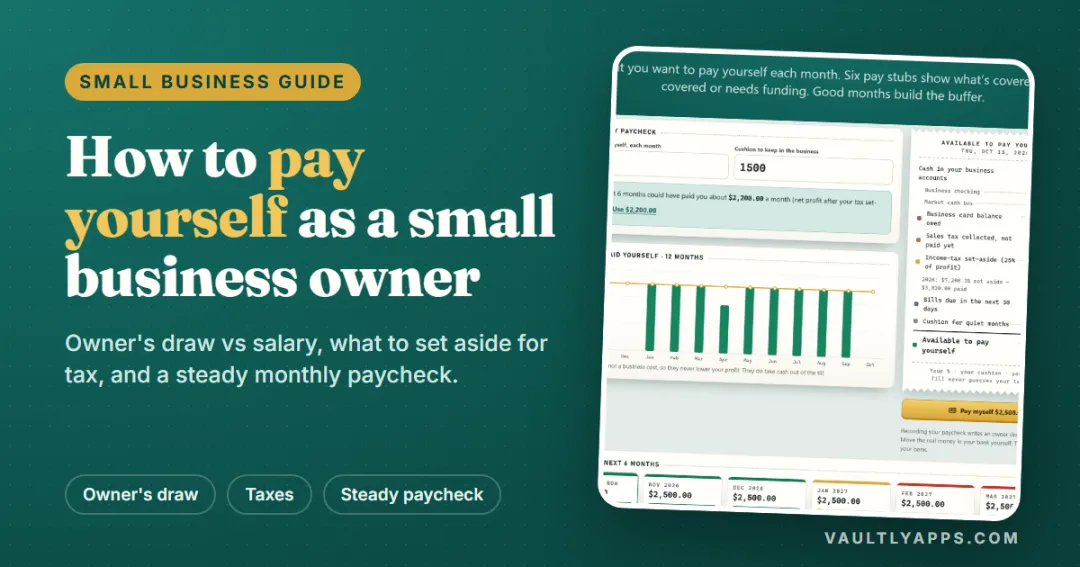
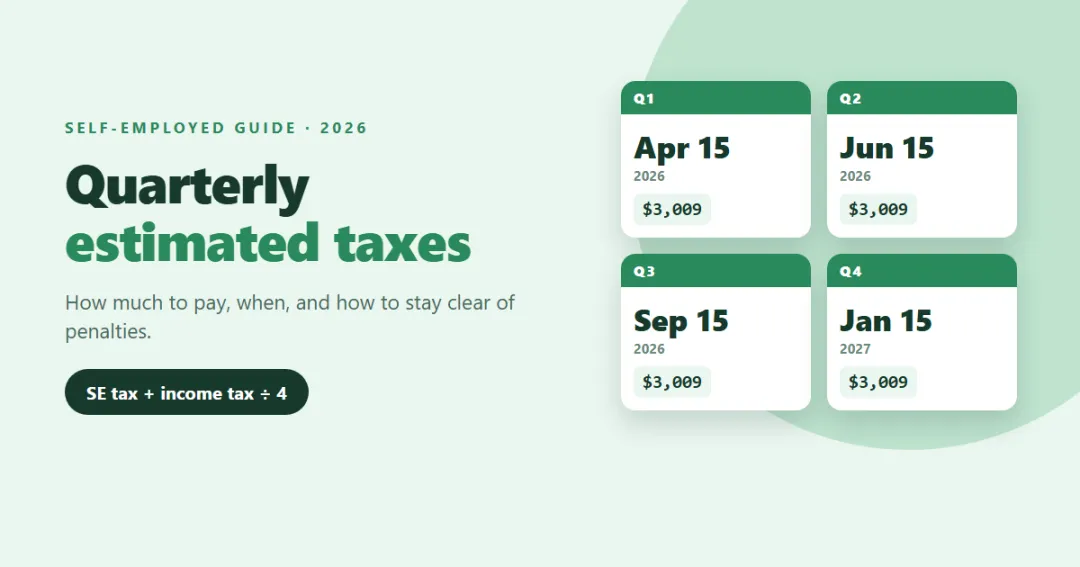
Stripe pays out what's left after fees, but your income for tax purposes is the full amount charged; the fees are a deductible expense. Keep Stripe's monthly reports, set money aside for quarterly estimated taxes, and read how to pay yourself as a small business owner to turn irregular payouts into a steady paycheck.
Track payouts, fees and real profit
Till is a small business profit planner that splits every payment into costs, a tax set-aside and your own pay, so you can see what you can safely take each month. Try the free demo with a sample business.
Stripe US standard rates checked October 2026; an estimate, not financial advice.
Frequently asked questions
How much does Stripe charge per transaction?
How much is the Stripe fee on $100?
How do I pass Stripe fees to the customer?
What are Stripe's international fees?
Is ACH cheaper than cards on Stripe?
Does Stripe refund its fee when I refund a customer?
Written by
Finance Specialist & Editor, VaultlyApps
Emma Whitfield writes and edits the VaultlyApps money guides and free calculators. Her focus is US household finance — budgeting on a real paycheck, paying down credit card and student debt, emergency funds and savings goals, renting — and the money side of freelancing and small-business income, from pricing and profit margins to self-employment tax. Every guide is researched against primary sources such as IRS publications and the CFPB, every number is checked in our tested calculators, and tax content is reviewed each year when new IRS figures come out. Emma is not a licensed financial adviser or tax preparer; her work is general education, not personal advice.
Researched against primary US sources, checked against independent calculators and reviewed by a finance expert on our team. Written for US readers — general education, not financial, tax or legal advice. Editorial policy · Disclaimer