
VaultlyApps logo VaultlyApps

Free calculator

Rent Increase Calculator: New Rent and Percentage Increase

Enter the current rent and either the percentage increase or the new rent. See the new monthly rent, how much more it costs per month and per year, the percentage, and what rent would be in five years at the same rate.

By Updated Private — runs in your browser Free, no sign-up Save, print, PDF & CSV — with a QR code to reopen it

I know

New rent


More per year


Rent in 5 years


Common increases

Some states and cities cap yearly increases (for example California and Oregon set statewide limits tied to inflation) and most require written notice, often 30–90 days. Check your local rules and the lease.

For readers in the United States. Estimates for planning only — not financial, investment, tax or legal advice. Disclaimer · How we check our numbers

RentRoll app icon

Want these numbers to update by themselves?

RentRoll — Landlord Dashboard — keeps this plan current as you log real payments. Try the free demo, no sign-up.

How to use the rent increase calculator

  1. Enter the current monthly rent.
  2. Choose whether you know the increase % or the new rent, and enter it.
  3. See the new rent, the increase per month and per year, and the rent in five years at the same rate.

Common increases on $1,800 rent

Increase New rent More per month
2% $1,836 $36
3% $1,854 $54
4% $1,872 $72
5% $1,890 $90
7% $1,926 $126
10% $1,980 $180

For landlords: setting a fair increase

  • Check the market. Compare similar units nearby; the cap rate calculator shows how rent affects your property's value.
  • Count the cost of turnover. A vacant month plus cleaning and listing can cost more than the increase brings in. A good tenant at slightly below market can be the better deal.
  • Follow the rules. Give proper written notice and stay within local caps.
  • Be consistent. Small yearly increases are easier for tenants than occasional big jumps.

If a tenant moves in or out mid-month, use the prorated rent calculator for the partial month.

Writing the rent increase notice

A clear notice avoids disputes. Put it in writing and include:

  • the tenant's name and the rental address;
  • the current rent and the new rent, in dollars;
  • the date the new rent starts, giving at least the notice your state requires;
  • how and where to pay, if that changes;
  • your name, signature and the date.

Deliver it the way your lease or state law requires, and keep a copy. If you're also changing other terms, such as utilities or parking, list them separately so the tenant can see exactly what's different.

For tenants: is the increase reasonable?

  • Compare with similar rentals in the area.
  • Check your lease and local laws on notice and caps.
  • Work out what it means for your budget; the rent affordability calculator shows a comfortable rent for your income.
  • If it's too much, consider negotiating a smaller increase for a longer lease, or compare with buying using the rent vs buy calculator and our guide on whether to rent or buy a house.

Track rent changes for every unit

RentRoll is a landlord dashboard with a rent roll showing each unit's tenant, lease dates and expected rent, so you can plan renewals and increases on time and see the effect on income. Try the free demo with sample buildings.

General information; landlord-tenant laws vary by state and city.

Frequently asked questions

How do you calculate a rent increase?

New rent = current rent × (1 + increase %). A 5% increase on $1,800 is $90, for a new rent of $1,890.

How do you calculate the percentage of a rent increase?

Increase % = (new rent − old rent) ÷ old rent × 100. Going from $1,800 to $1,900 is a 5.56% increase.

What is a normal rent increase per year?

Many landlords raise rent by about 3–5% a year, often close to inflation and local market rents. Bigger jumps happen when rent was well below market.

Is there a limit on how much rent can go up?

In most of the US there's no statewide cap, but some states and cities limit increases — for example California and Oregon have statewide caps tied to inflation, and many cities have rent stabilization. Check your local rules.

How much notice is needed for a rent increase?

It depends on state law and the lease; 30 days is common for month-to-month leases, and larger increases can require 60 or 90 days. Increases usually can't take effect during a fixed-term lease unless the lease allows it.

Should landlords raise rent every year?

Small regular increases are often easier for tenants than large occasional ones. Weigh the increase against the cost of a vacancy: a month empty can cost more than a year of a small increase.

Written by

Emma Whitfield

Finance Specialist & Editor, VaultlyApps

Emma Whitfield writes and edits the VaultlyApps money guides and free calculators. Her focus is US household finance — budgeting on a real paycheck, paying down credit card and student debt, emergency funds and savings goals, renting — and the money side of freelancing and small-business income, from pricing and profit margins to self-employment tax. Every guide is researched against primary sources such as IRS publications and the CFPB, every number is checked in our tested calculators, and tax content is reviewed each year when new IRS figures come out. Emma is not a licensed financial adviser or tax preparer; her work is general education, not personal advice.

Researched against primary US sources, checked against independent calculators and reviewed by a finance expert on our team. Written for US readers — general education, not financial, tax or legal advice. Editorial policy · Disclaimer

From VaultlyApps

Apps that do this for you

Each one has a free live demo with sample data — open it in your browser, nothing to install.

RentRoll landlord dashboard with buildings whose windows light up when rent is paid Live
RentRoll app icon

RentRoll

Landlord Dashboard

A private rent roll and property manager for landlords with 1 to 20 units — rent collection, late fees, leases, maintenance and Schedule E tax reports.

Keep planning

Related calculators

All calculators

Cap Rate Calculator

NOI, cap rate and the property's value at any market cap rate.

Open calculator

Further reading

Guides on this topic

All articles
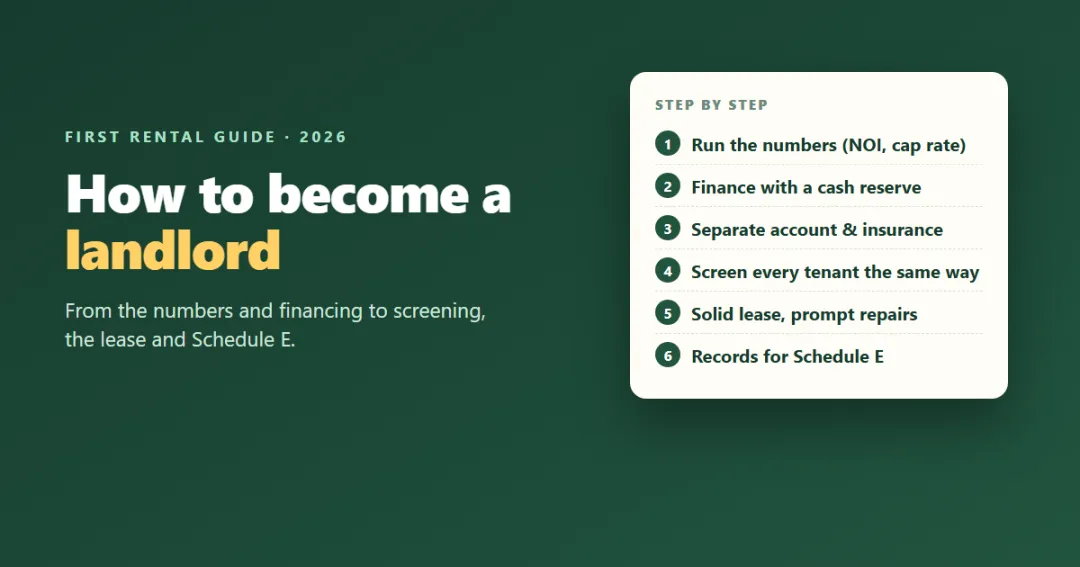
How to become a landlord — a house with keys and a checklist from numbers to first tenant

Personal Finance

How to Become a Landlord: A Step-by-Step Guide for Your First Rental (2026)

Becoming a landlord starts long before the first tenant: running the numbers, financing, setting up the business side, screening, leases and keeping records for taxes. Here's a step-by-step guide for your first rental property, with the key formulas, a worked example and the mistakes new landlords make most.

7 min read
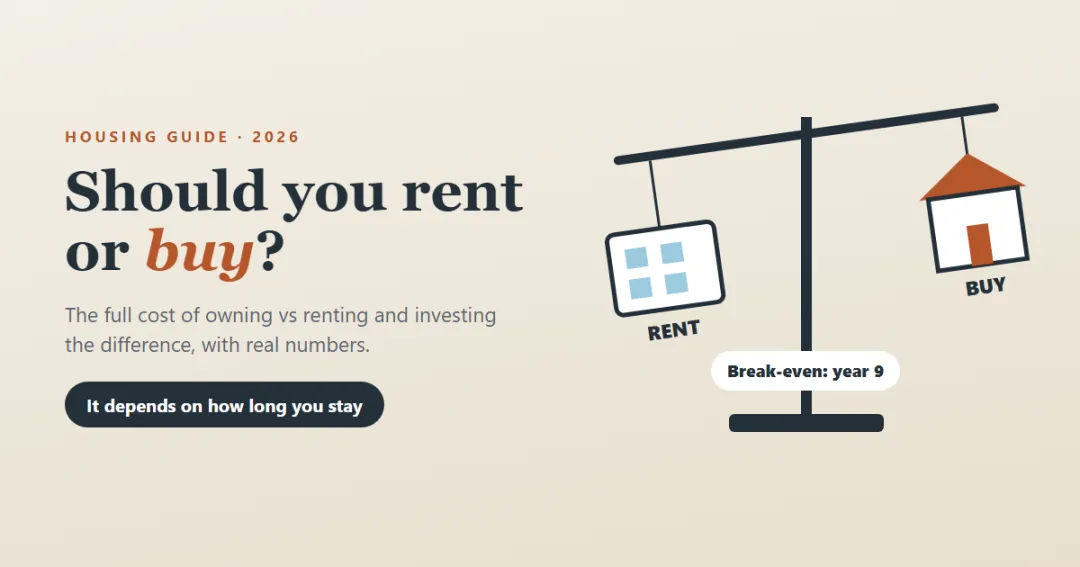
Rent or buy — a scale weighing a rented apartment against a house with a mortgage

Personal Finance

Should You Rent or Buy a House in 2026? How to Decide With Real Numbers

Buying isn't automatically smarter than renting, and rent isn't money thrown away. Here's how to compare the full cost of owning with renting and investing the difference, what the break-even point is, how rates, home prices and how long you stay change the answer, and a checklist to decide.

7 min read

Try RentRoll free in your browser

A private rent roll and property manager for landlords with 1 to 20 units — rent collection, late fees, leases, maintenance and Schedule E tax reports. The live demo uses sample data — nothing to install, no sign-up.

We use optional cookies for anonymous analytics. Nothing optional is set until you choose. Cookie policy