
How to use the cash on cash return calculator
- Enter the purchase price, down payment, closing costs and any repairs.
- Enter the mortgage rate and term.
- Enter the rent and units, then vacancy, management and yearly property tax, insurance, maintenance and HOA.
The example in detail
| Per year | |
|---|---|
| Net operating income (rent − vacancy − expenses) | $17,522 |
| Mortgage payments ($187,500 at 7%) | − $14,969 |
| Cash flow | $2,553 |
| Cash invested (down + closing + repairs) | $75,000 |
| Cash on cash return | 3.4% |
The property's cap rate is about 7%, but with a 7% mortgage, borrowing barely adds anything. That's why cash on cash is low.
How the down payment changes the return
| Down payment | Cash in | Cash flow / year | Cash on cash |
|---|---|---|---|
| 20% | $62,500 | $1,555 | 2.5% |
| 25% | $75,000 | $2,553 | 3.4% |
| 30% | $87,500 | $3,551 | 4.1% |
| 40% | $112,500 | $5,547 | 4.9% |
| All cash | $262,500 | $17,522 | 6.7% |
When the mortgage rate is close to or above the cap rate, borrowing more lowers your return. When rates are well below the cap rate, leverage raises it.
What counts as cash invested
Include every dollar that leaves your pocket to get the property running: the down payment, lender and title fees at closing, inspection and appraisal, repairs before the first tenant, and any furniture or appliances you buy. Leaving costs out makes the return look better than it is. If you later put more money in, for example for a new roof, add it to the cash invested when you recalculate. Keep the cash flow side honest too: budget for vacancy, repairs and management even if you plan to do the work yourself, because one day you may not.
Improving cash on cash
- Buy right: a lower price raises everything.
- Raise rent to market and reduce vacancy with good screening.
- Cut expenses: shop insurance, appeal the property tax; see the property tax calculator.
- Add value: repairs that raise rent more than they cost.
- Refinance after adding value; the BRRRR calculator shows how pulling cash out changes the return.
The full picture
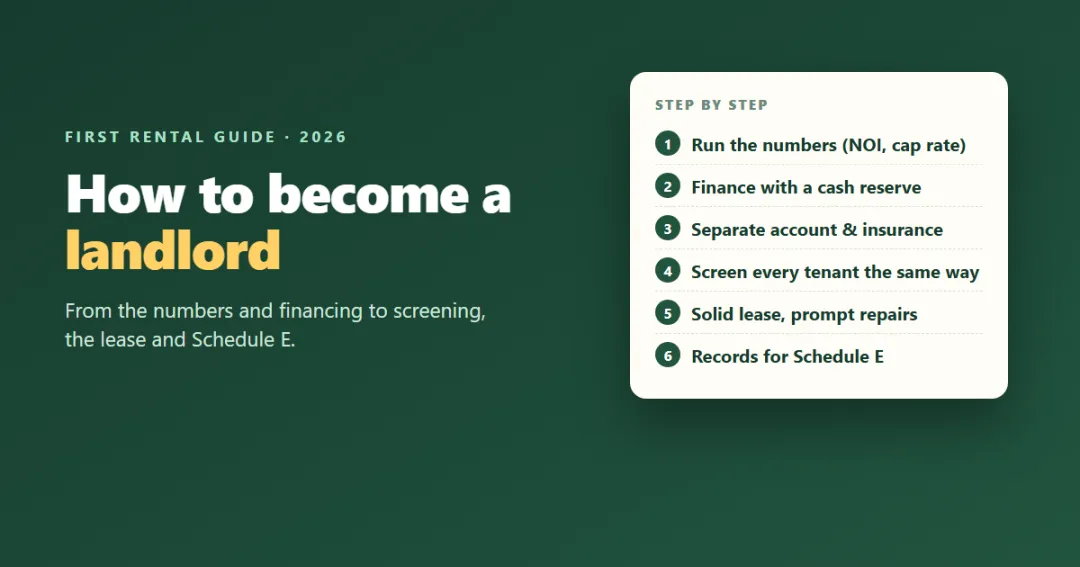
Cash on cash is one lens. Use the cap rate calculator to compare properties without financing, and the rental property calculator for monthly cash flow. Your total return also includes the loan your tenants pay down and any appreciation. New to rentals? Read how to become a landlord.
Track the real numbers
RentRoll is a landlord dashboard that tracks rent, expenses and repairs for each property, so your real cash flow and returns are always up to date, with a Schedule E-style summary at tax time. Summit adds your rental equity to your net worth. Both have a free demo with sample data.
Estimates before income tax. Not investment advice.
Frequently asked questions
How do you calculate cash on cash return?
What is a good cash on cash return?
What's the difference between cash on cash return and cap rate?
Does a bigger down payment raise cash on cash return?
What is DSCR?
Does cash on cash include appreciation and loan paydown?
Written by
Finance Specialist & Editor, VaultlyApps
Emma Whitfield writes and edits the VaultlyApps money guides and free calculators. Her focus is US household finance — budgeting on a real paycheck, paying down credit card and student debt, emergency funds and savings goals, renting — and the money side of freelancing and small-business income, from pricing and profit margins to self-employment tax. Every guide is researched against primary sources such as IRS publications and the CFPB, every number is checked in our tested calculators, and tax content is reviewed each year when new IRS figures come out. Emma is not a licensed financial adviser or tax preparer; her work is general education, not personal advice.
Researched against primary US sources, checked against independent calculators and reviewed by a finance expert on our team. Written for US readers — general education, not financial, tax or legal advice. Editorial policy · Disclaimer