
How to use the monthly income calculator
- Add each income source and how often it's paid: per hour, weekly, every two weeks, twice a month, monthly, quarterly or yearly.
- For hourly pay, enter your hours a week.
- Set an estimated tax and deduction rate to see take-home income. Use 0 for income that's already after tax.
How to convert any pay to monthly income
| You're paid | Monthly income = |
|---|---|
| Hourly | rate × hours a week × 52 ÷ 12 |
| Weekly | pay × 52 ÷ 12 (× 4.33) |
| Every two weeks | pay × 26 ÷ 12 (× 2.17) |
| Twice a month | pay × 2 |
| Monthly | pay |
| Quarterly | pay ÷ 3 |
| Yearly | pay ÷ 12 |
A common mistake is multiplying weekly pay by 4. A month has about 4.33 weeks, so a $1,000 weekly paycheck is $4,333 a month, not $4,000. Over a year that's $4,000 of income you didn't plan for.
The same income in every period
For the example above, $4,933 a month gross:
| Period | Gross |
|---|---|
| Yearly | $59,200 |
| Monthly | $4,933 |
| Twice a month | $2,467 |
| Every two weeks | $2,277 |
| Weekly | $1,138 |
| Per working day | $228 |
| Per hour (40 h a week) | $28.46 |
Gross vs net monthly income
Gross income is before tax and deductions; net is what reaches your bank. Lenders use gross income: the 28/36 rule keeps housing at 28% and all debt payments at 36% of gross income, and many landlords want gross income of three times the rent. Check yours with the debt-to-income ratio calculator and the rent affordability calculator.
For your own budget, always start from net income. Taxes, Social Security, Medicare, health insurance and 401(k) contributions usually take 20–30% of gross pay. The take-home pay calculator works out the exact figure for a paycheck.
Three-paycheck months
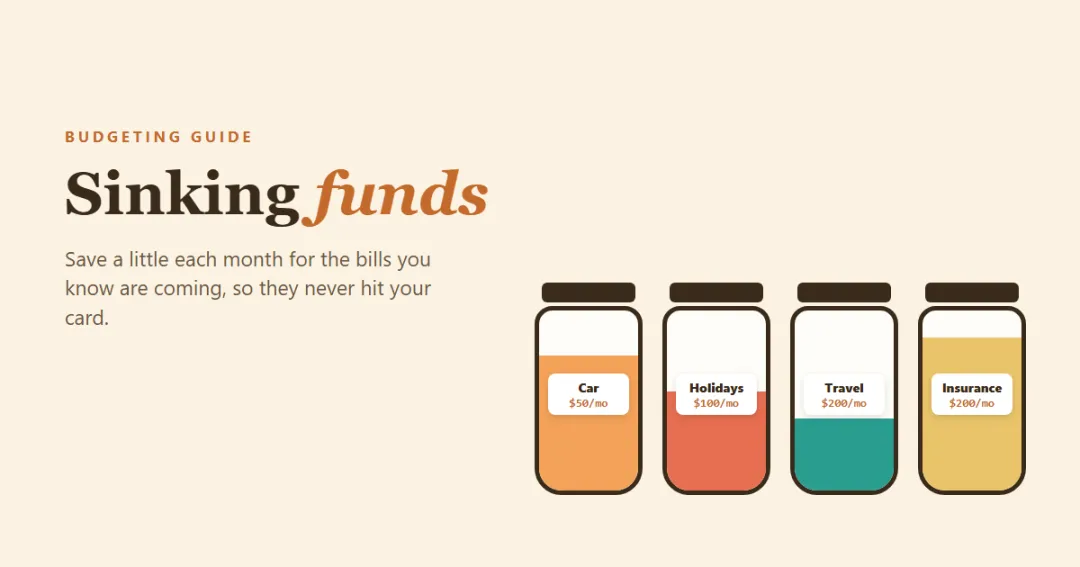
If you're paid every two weeks, two months a year have three paychecks. Budget on two paychecks a month and use the third ones for savings, debt or sinking funds. It's an easy way to save two extra paychecks a year without feeling it.
Irregular and side income
Freelance, gig and side-hustle income changes from month to month. Average the last 12 months, but build your monthly budget on a low month. Put the extra from good months into a buffer, then into your emergency fund. If you're self-employed, set aside tax from every payment; the 1099 tax calculator shows how much.
Turn your monthly income into a plan
Once you know your monthly take-home, give every dollar a job with the monthly budget calculator, and see your hourly value with the salary to hourly calculator.
Budget around real paydays
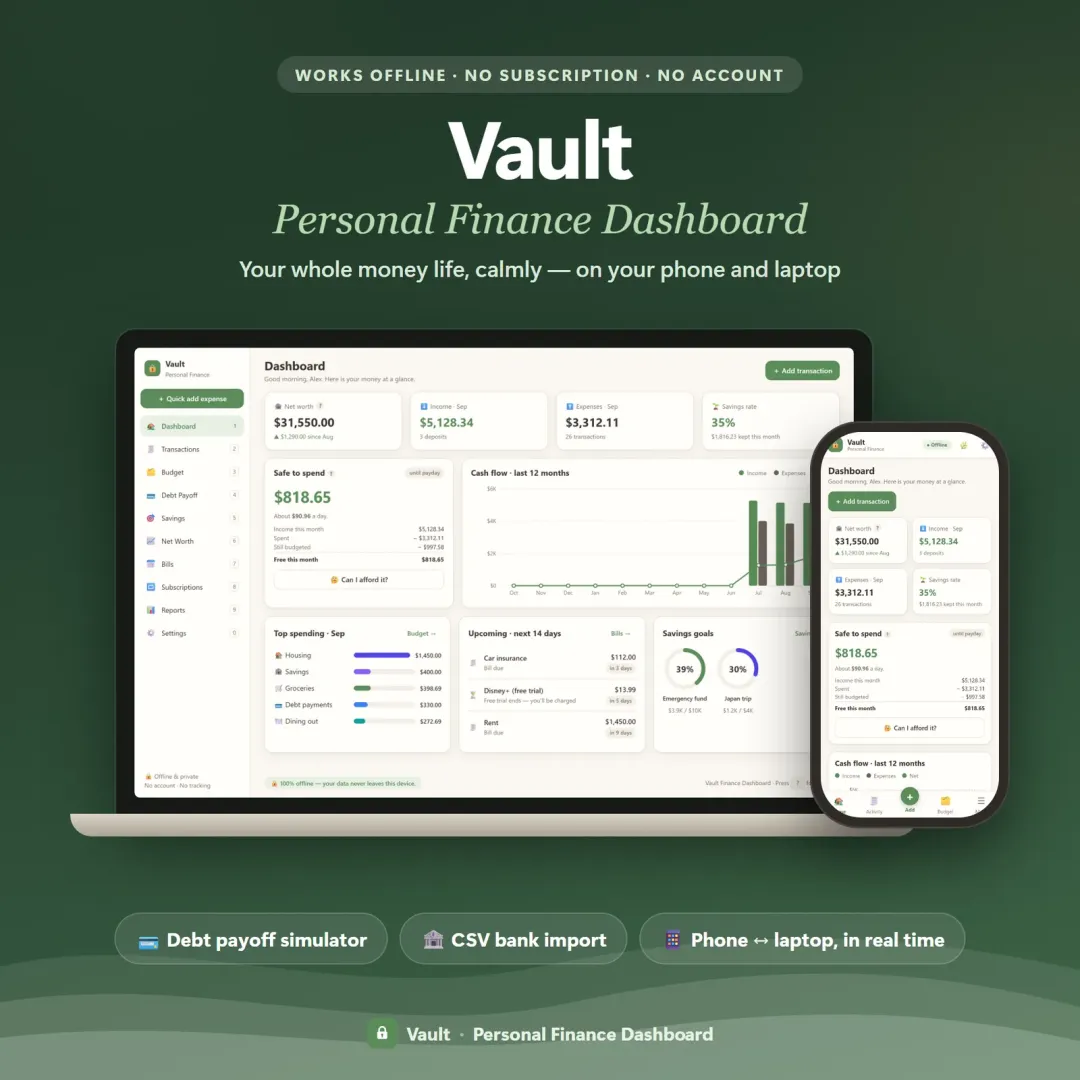
Flow is a budget planner that plans each paycheck as it arrives, including three-paycheck months and irregular income, and shows what's safe to spend. Vault keeps income, bills, savings and debt on one dashboard. Both have a free demo with sample data.
An estimate to help you plan; not tax advice.
Frequently asked questions
How do I calculate my monthly income?
What is $25 an hour per month?
Is biweekly pay the same as twice a month?
Should I use gross or net monthly income?
What counts as income?
How do I budget with irregular income?
Written by
Finance Specialist & Editor, VaultlyApps
Emma Whitfield writes and edits the VaultlyApps money guides and free calculators. Her focus is US household finance — budgeting on a real paycheck, paying down credit card and student debt, emergency funds and savings goals, renting — and the money side of freelancing and small-business income, from pricing and profit margins to self-employment tax. Every guide is researched against primary sources such as IRS publications and the CFPB, every number is checked in our tested calculators, and tax content is reviewed each year when new IRS figures come out. Emma is not a licensed financial adviser or tax preparer; her work is general education, not personal advice.
Researched against primary US sources, checked against independent calculators and reviewed by a finance expert on our team. Written for US readers — general education, not financial, tax or legal advice. Editorial policy · Disclaimer