VaultlyApps logo VaultlyApps

Emma Whitfield

Finance Specialist & Editor, VaultlyApps

Emma Whitfield writes and edits the VaultlyApps money guides and free calculators. Her focus is US household finance — budgeting on a real paycheck, paying down credit card and student debt, emergency funds and savings goals, renting — and the money side of freelancing and small-business income, from pricing and profit margins to self-employment tax. Every guide is researched against primary sources such as IRS publications and the CFPB, every number is checked in our tested calculators, and tax content is reviewed each year when new IRS figures come out. Emma is not a licensed financial adviser or tax preparer; her work is general education, not personal advice.

Writes about

  • Personal Finance
  • Personal finance
  • Productivity
  • Budgeting
  • Saving
  • Small business
  • Business Software
  • Business finance
  • Self-employed
  • Net worth
  • Habits
  • Teaching

Primary sources

Figures come from the IRS, SSA, CFPB and Federal Reserve — not other blogs.

Checked numbers

Every method is run through our tested calculators before it is published.

Kept current

Tax content is reviewed every year when the IRS publishes new figures.

Written for readers in the United States. General education, not financial, tax or legal advice. Read our editorial policy and disclaimer.

Articles by Emma Whitfield

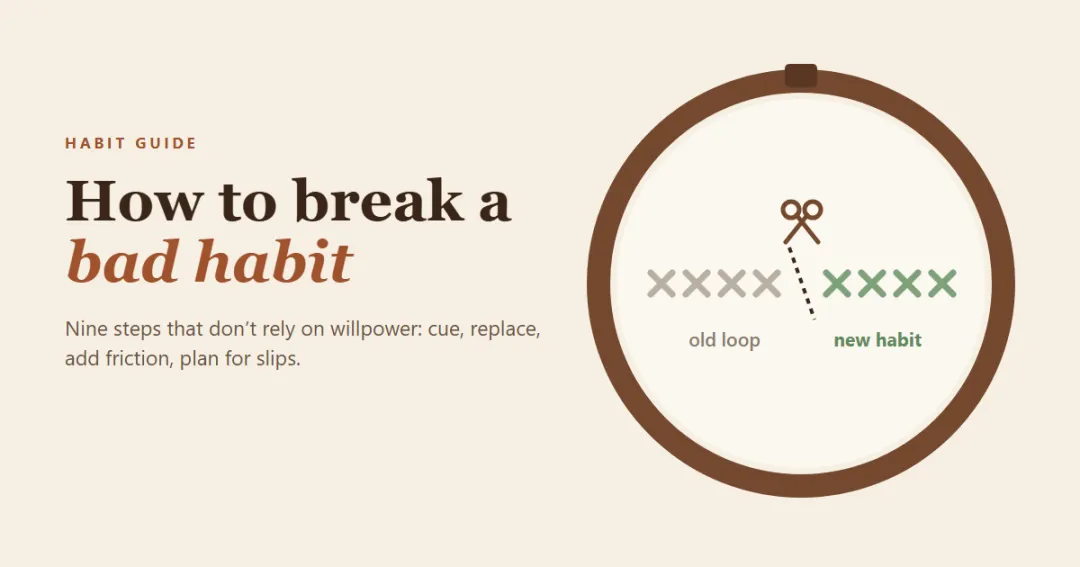
How to break a bad habit — a thread being cut and re-stitched into a new pattern

Productivity

How to Break a Bad Habit: 9 Steps That Work (Without Relying on Willpower)

Willpower alone rarely breaks a habit. Here's a 9-step method that does — find the cue, change your environment, replace the habit, add friction, plan for slips — with examples for phone scrolling, snacking, impulse spending, procrastination and more.

9 min read
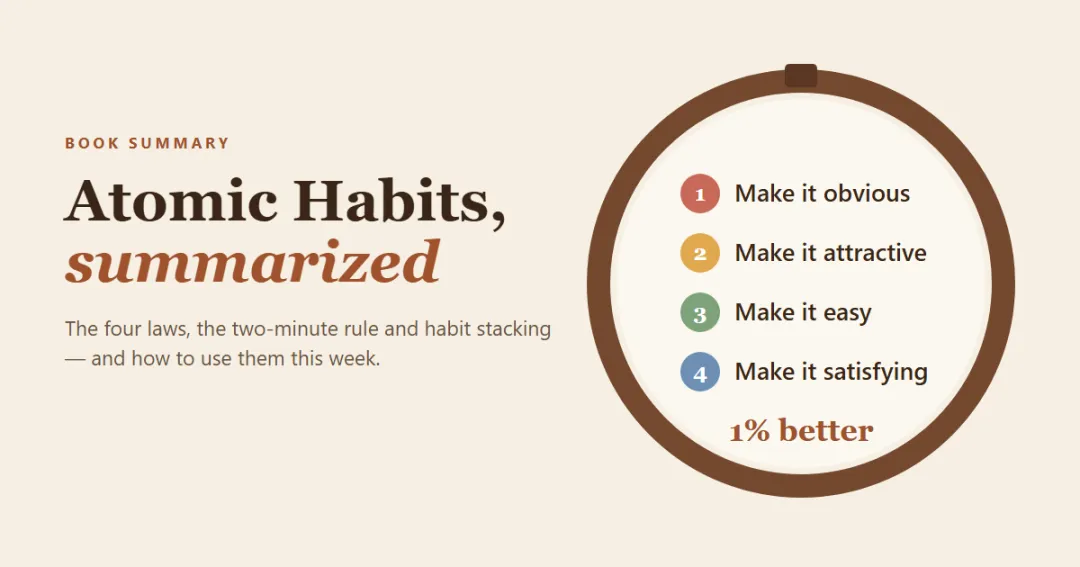
Atomic Habits summary — four laws: make it obvious, attractive, easy and satisfying

Productivity

Atomic Habits Summary: The 4 Laws, Key Ideas and How to Use Them

A plain-English summary of James Clear's Atomic Habits: the 1% idea, identity-based habits, the habit loop, the Four Laws of Behavior Change (and how to invert them to break bad habits), the two-minute rule, habit stacking and habit tracking — with examples you can use this week.

9 min read
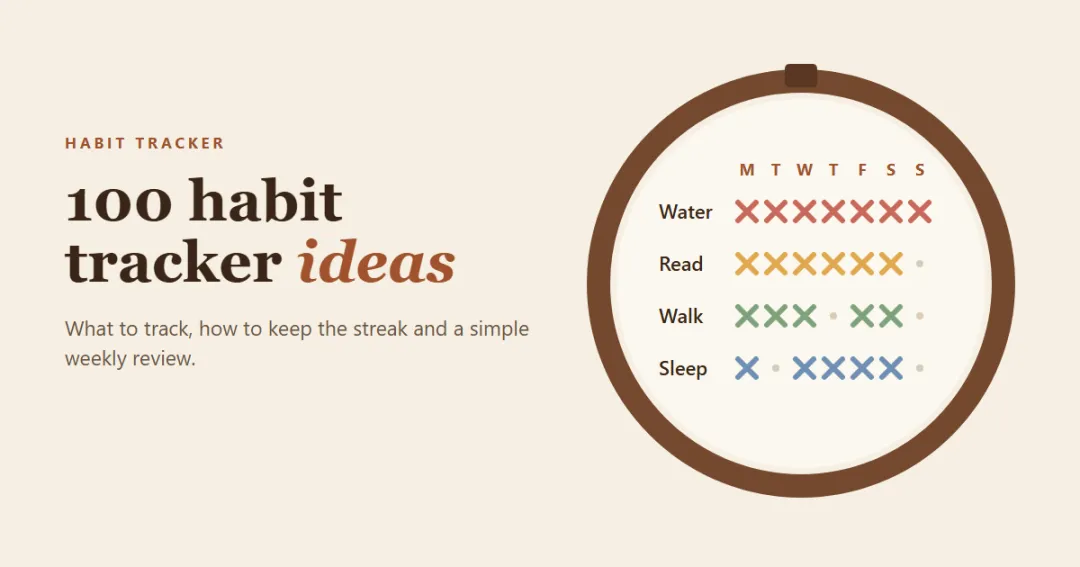
Habit tracker ideas — a cross-stitch habit grid with water, read, walk and sleep rows

Productivity

100 Habit Tracker Ideas: What to Track (and How to Keep It Going)

100 habit tracker ideas for health, mind, self care, home, work, money and digital detox — plus how to choose what to track, habit journal prompts, 30-day challenge ideas, a weekly review template and tips to keep your streak going.

12 min read
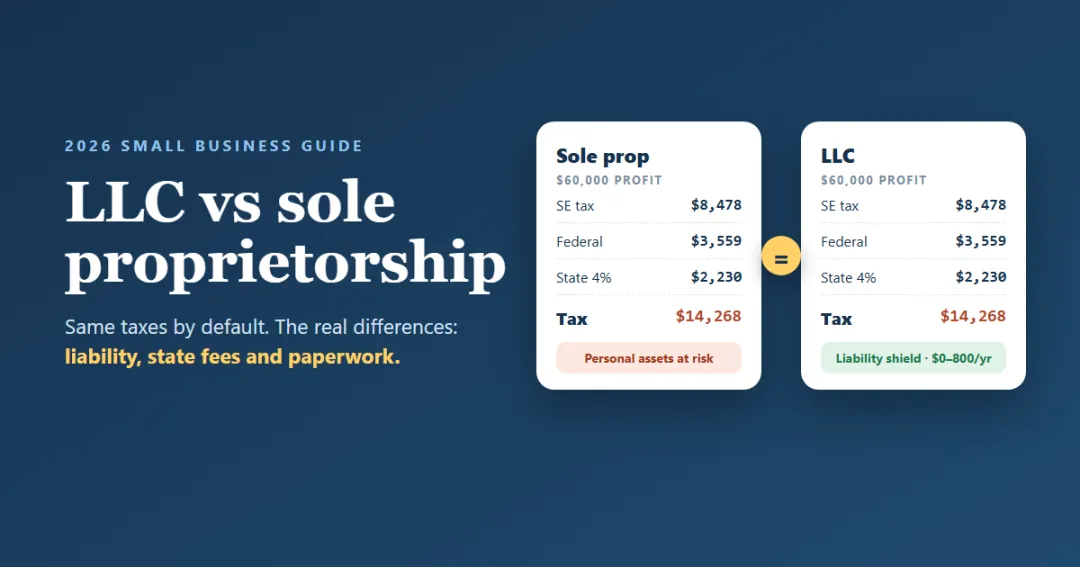
LLC vs sole proprietorship — the same taxes on $60,000 of profit, with the differences in liability, fees and paperwork

Business Software

LLC vs Sole Proprietorship in 2026: Taxes, Costs, Protection and Which to Choose

Should you form an LLC or stay a sole proprietor? For most small businesses the taxes are exactly the same; the real differences are liability protection, state fees and paperwork. Here's a clear 2026 comparison with real tax numbers, what an LLC costs in each state, when an S corp election starts to pay, and a simple way to decide.

8 min read
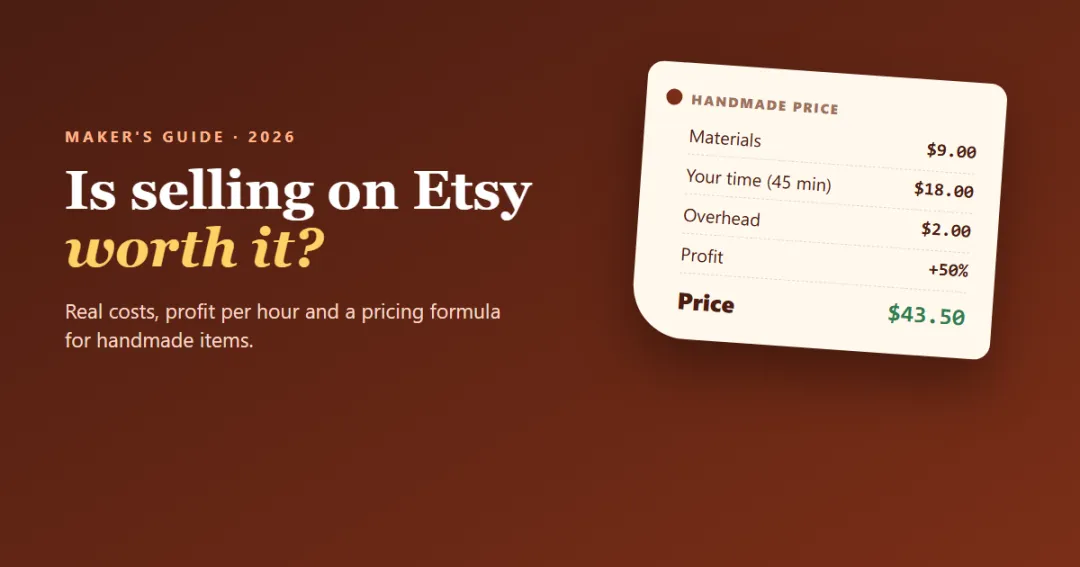
Is selling on Etsy worth it — a handmade item priced with materials, labor, fees and profit

Business Software

Is Selling on Etsy Worth It in 2026? Real Costs, Profit and How to Price Handmade Items

Etsy gives handmade and vintage sellers millions of buyers, but fees, ads, competition and your time decide whether it's worth it. Here's an honest look at what an Etsy shop really earns, a pricing formula for handmade items that pays you for your time, and the signs your shop is — or isn't — worth the effort.

6 min read
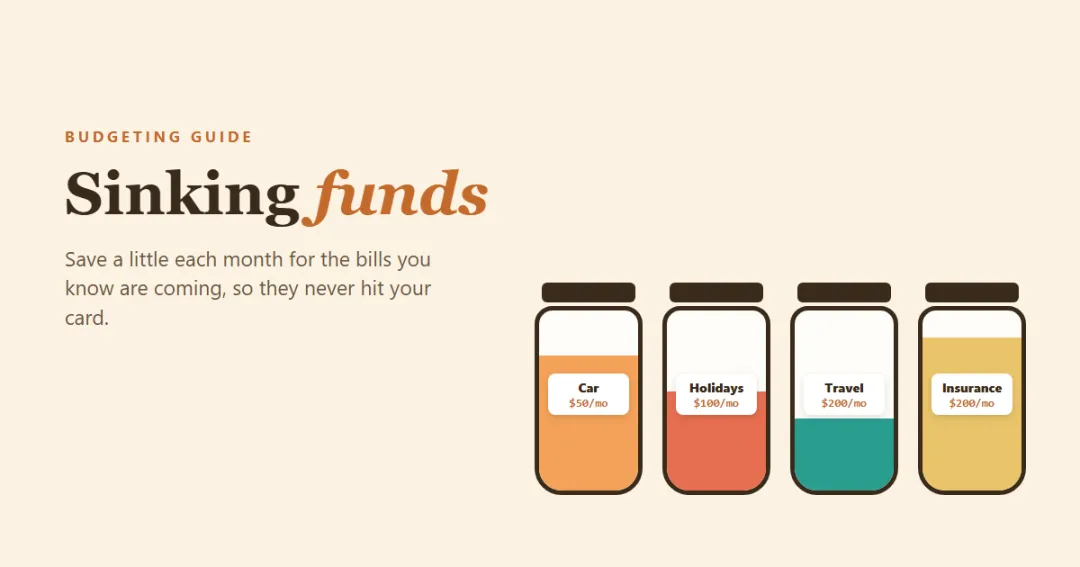
Sinking funds — labeled jars for car repairs, holidays, insurance and travel filling up each month

Personal Finance

Sinking Funds: What They Are, Examples and How to Start (With a Simple Plan)

A sinking fund is money you set aside a little at a time for an expense you know is coming — car repairs, holidays, insurance, a vacation — so it never lands on a credit card. Here's how sinking funds work, a list of the most useful ones, how to calculate the monthly amount, and where to keep the money.

7 min read
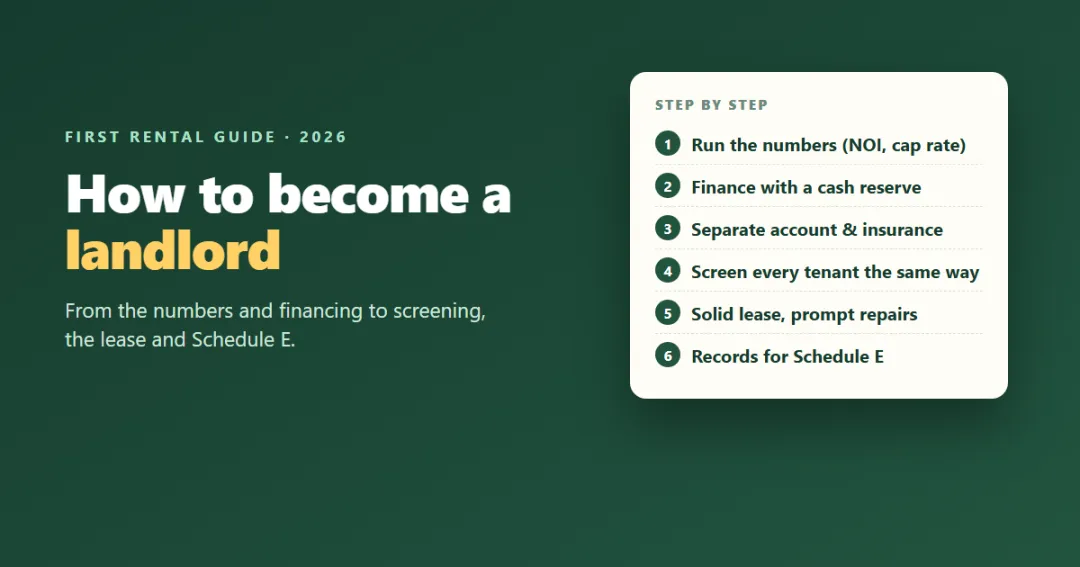
How to become a landlord — a house with keys and a checklist from numbers to first tenant

Personal Finance

How to Become a Landlord: A Step-by-Step Guide for Your First Rental (2026)

Becoming a landlord starts long before the first tenant: running the numbers, financing, setting up the business side, screening, leases and keeping records for taxes. Here's a step-by-step guide for your first rental property, with the key formulas, a worked example and the mistakes new landlords make most.

7 min read
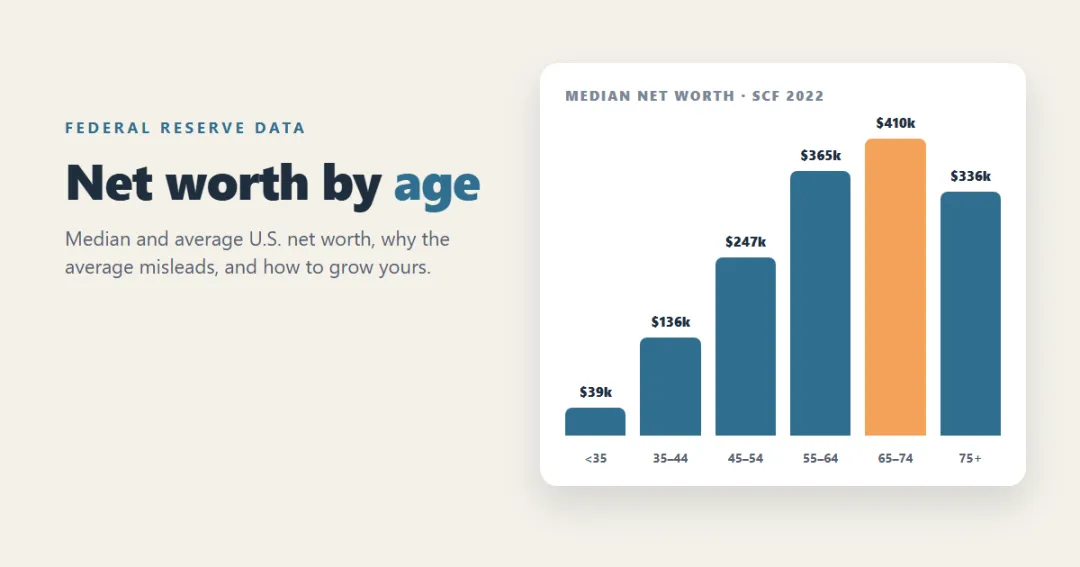
Average and median net worth by age — bars rising from under 35 to 65–74 with the median marked

Personal Finance

Average and Median Net Worth by Age in the U.S. (and How to Compare Yours)

The typical American household under 35 has a net worth of about $39,000; at 65–74 it's about $410,000. Here's the latest Federal Reserve data on median and average net worth by age, why the average is so misleading, useful savings benchmarks by age, and how to grow your own number at any stage.

6 min read

We use optional cookies for anonymous analytics. Nothing optional is set until you choose. Cookie policy