Why use a habit tracker app
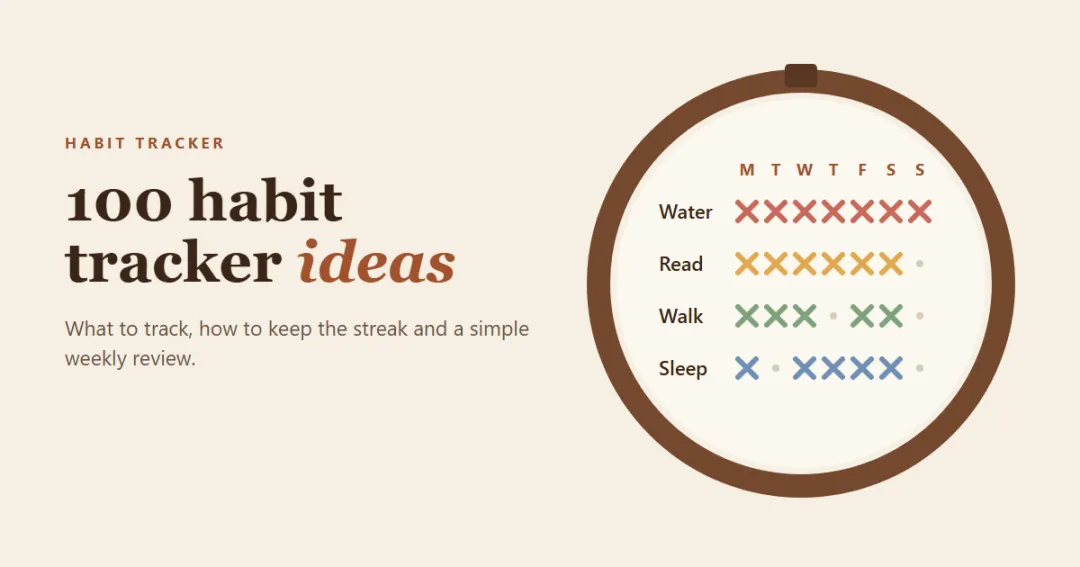
A habit tracker does two simple jobs: it reminds you what you meant to do today, and it shows you, over weeks and months, that you're actually doing it. That second job is the one that keeps you going. A small habit done 20 times in a month doesn't feel like much on any single day — but a filled-in month is proof that it's becoming part of who you are.
Paper trackers do the first job well. Apps do the second one better, because they keep the history, count the streaks and show the trend without you redrawing a grid every month.
What makes a habit tracker easy to keep
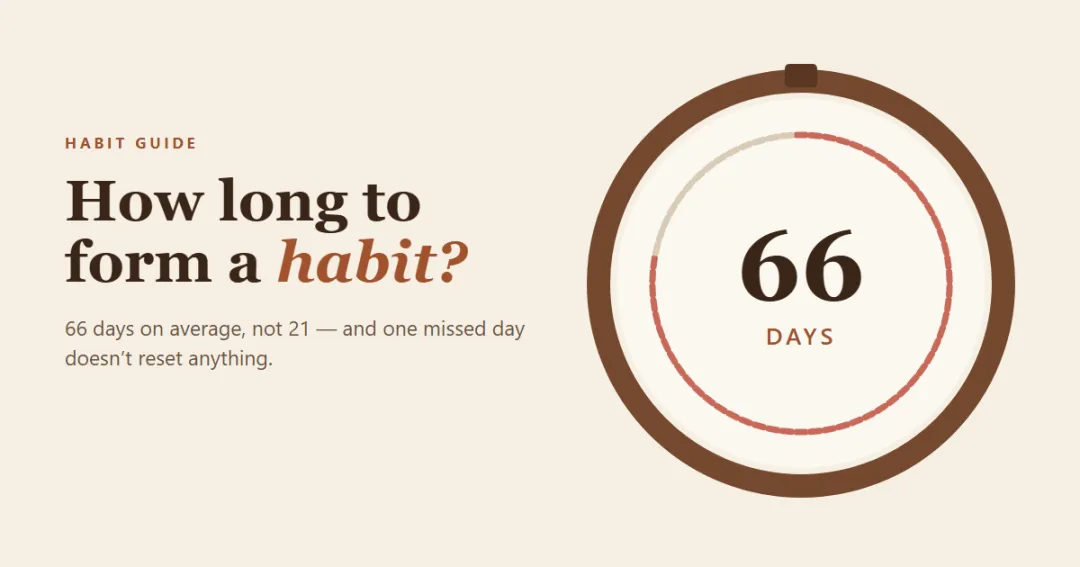
Forgiving streaks. The most common reason people quit a tracker is losing a long streak over one bad day. Look for planned rest days, a few free misses a month and a vacation pause. Research on how long it takes to form a habit found that missing one day had no real effect on forming the habit — your tracker shouldn't act as if it did.
More than checkboxes. Water is a count, not a yes or no. Cutting back on soda is a habit to avoid. A good app handles all three kinds, and lets a habit be due every day, on certain weekdays or a few times a week.
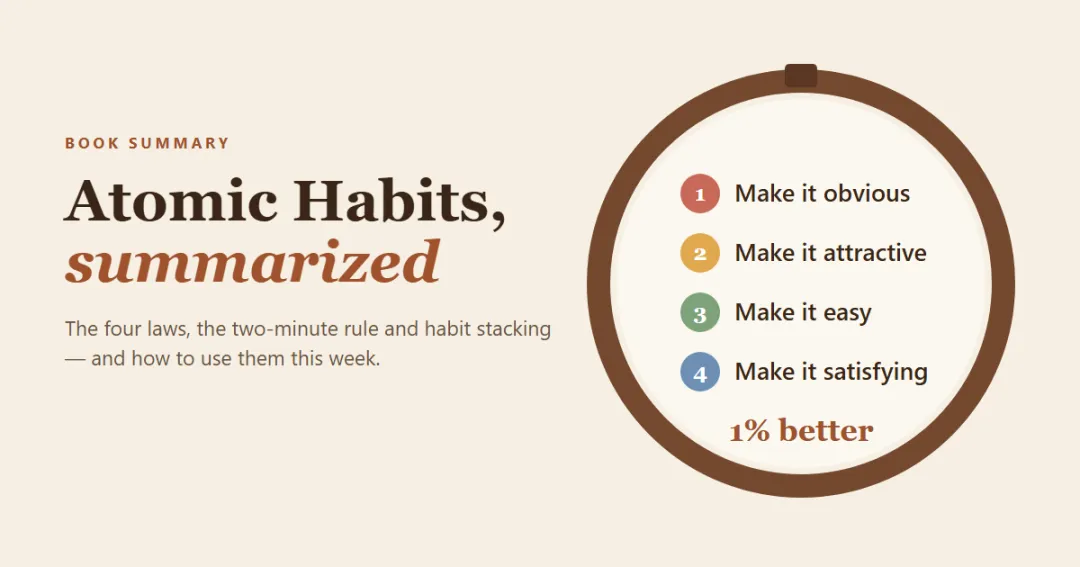
Cues and habit stacking. A habit tied to something you already do ("after I make coffee") is far easier to remember than one floating in a to-do list. Stacks turn single habits into a morning or evening routine.
A view of the long run. A week grid for today's decisions, a month calendar per habit and a year heatmap for the big picture.
A weekly review. Five minutes on Sunday — what worked, what got in the way, one small change — is how a tracker turns into progress.
How Hoop does it
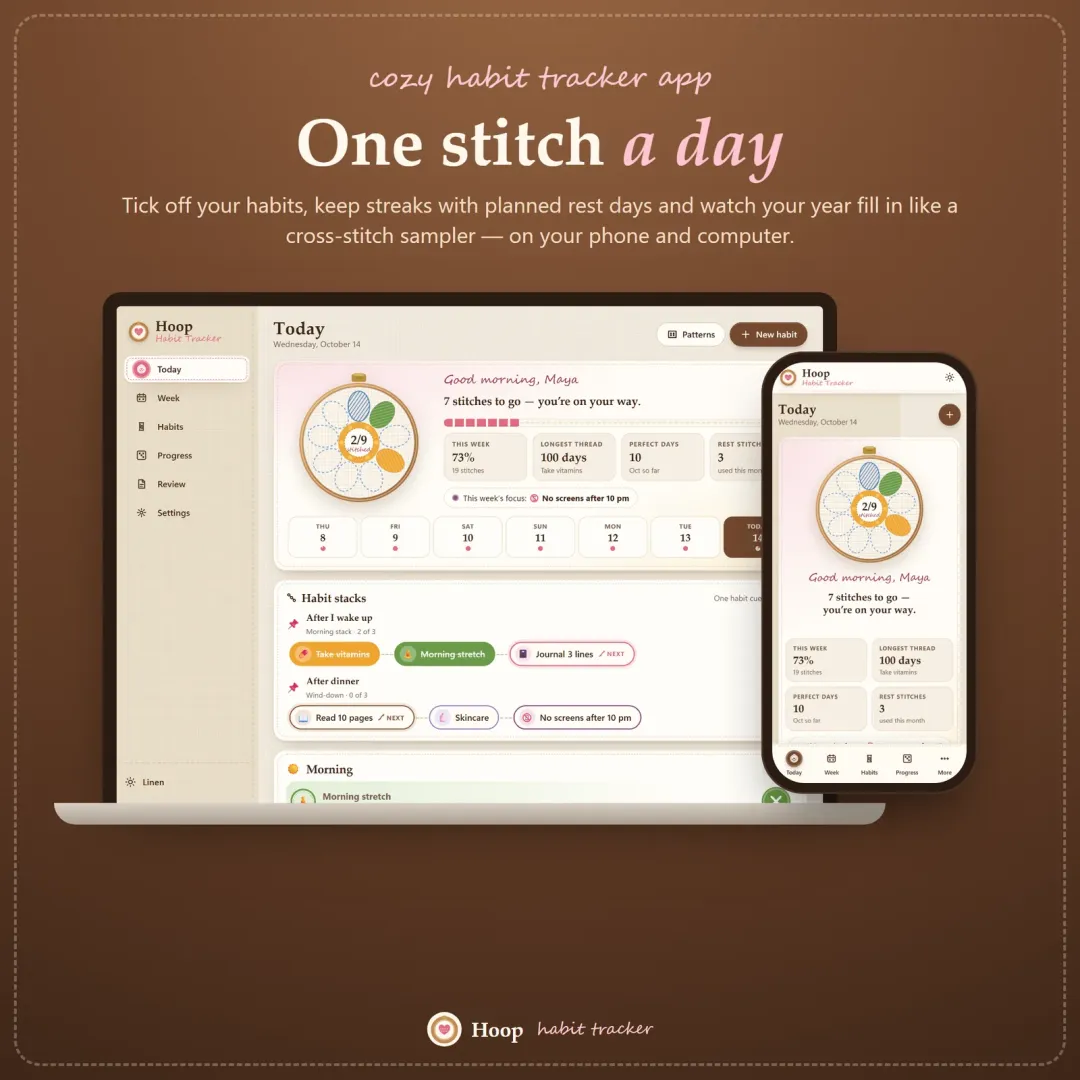
Hoop shows today's habits as petals in an embroidery hoop that fill with colour as you tick them off. It supports yes/no, count and avoid habits; every-day, weekday and X-times-a-week schedules; rest stitches, planned rest days and vacation pauses that keep a streak alive; habit stacks; eight ready-made routines including an ADHD-friendly "tiny steps" set; a week grid, month calendars and a year sampler; milestone patches from 7 to 365 days; a weekly review, goals and challenges; and a daily mood note. It works on phone and computer without an account, and links devices with a 6-digit code.
Need ideas for what to put in it? See our habit tracker ideas and morning routine ideas.
Money habits count too
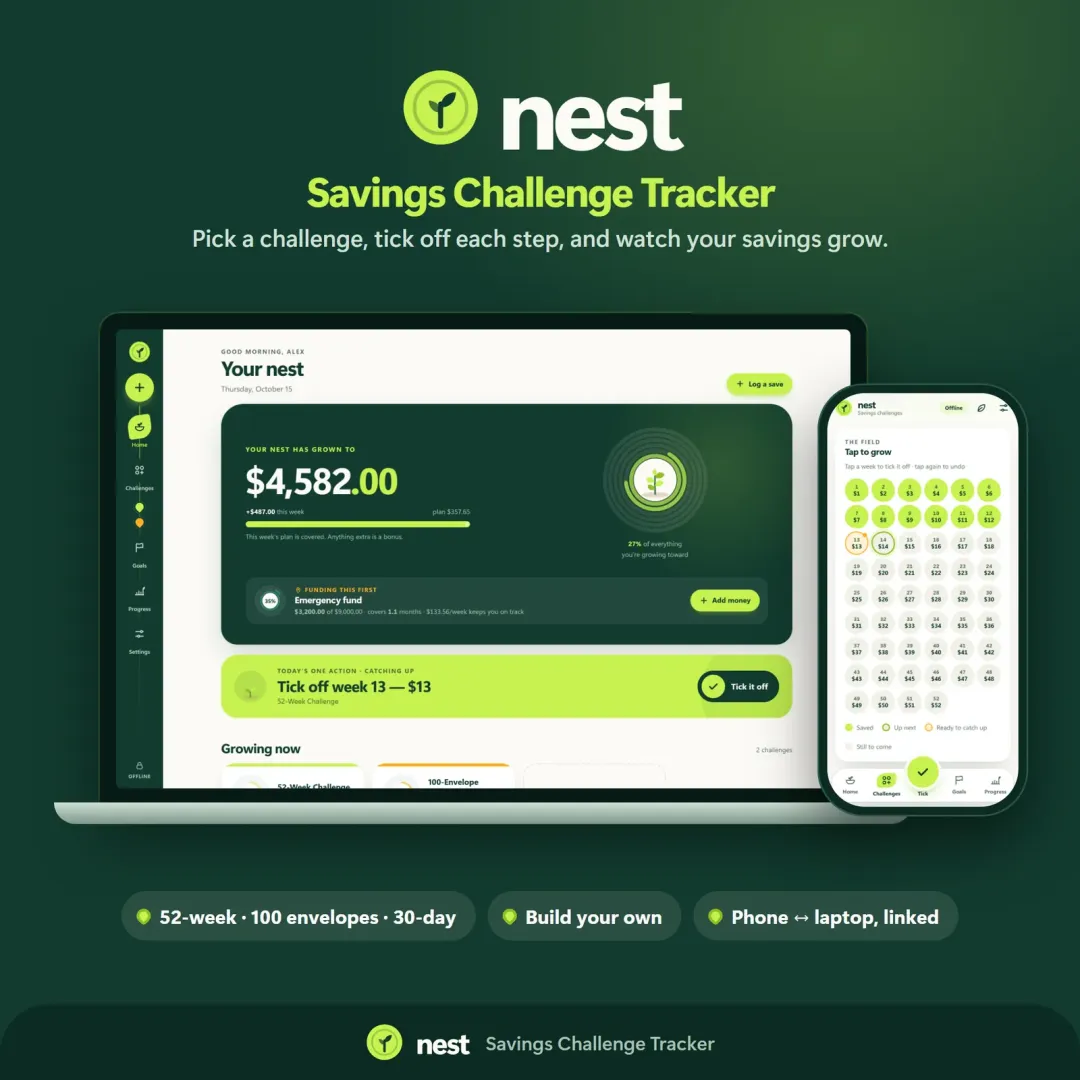
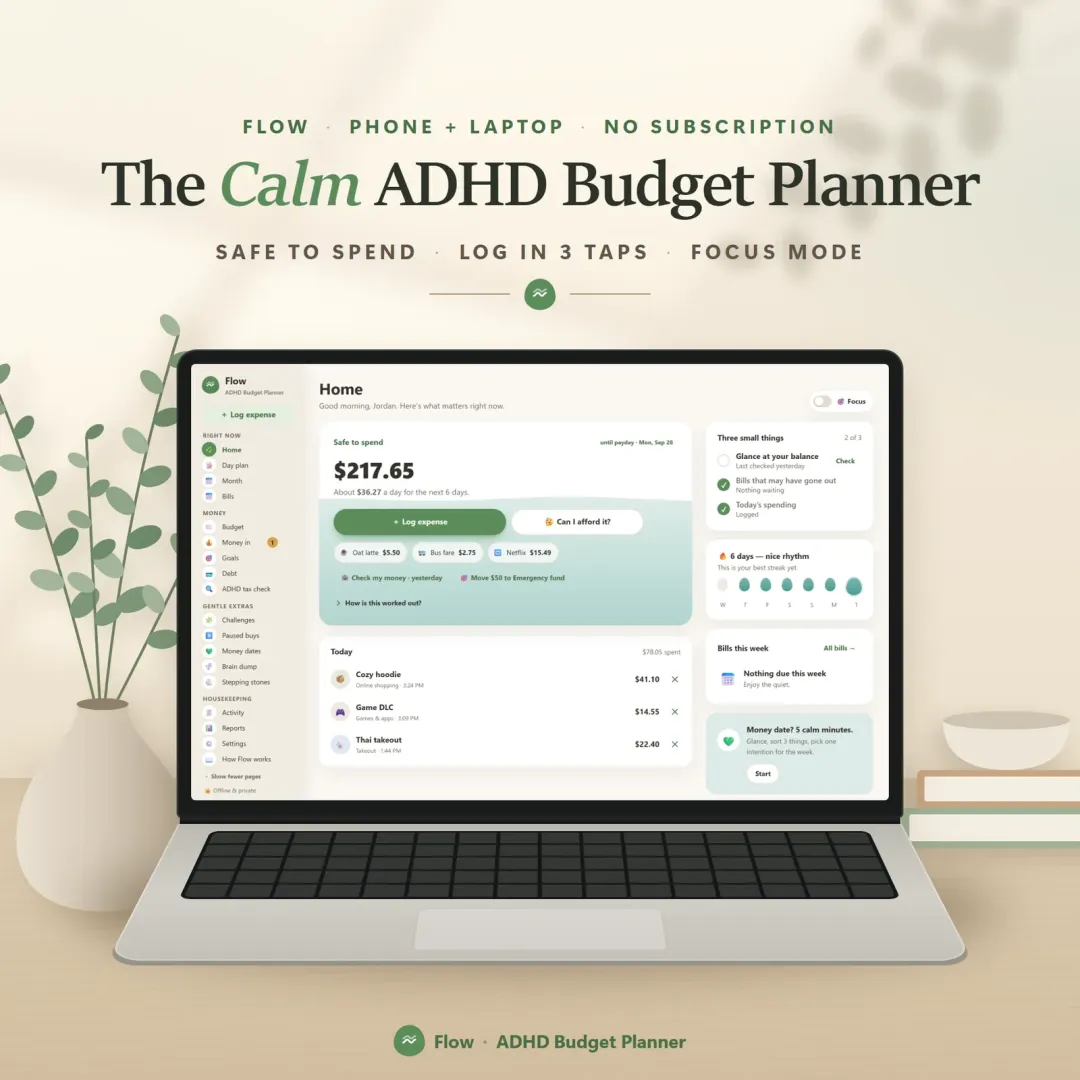
Some of the habits that change life most are about money: a no-spend day, checking your budget once a week, moving $10 into savings every payday. Track them in Hoop, and use Nest for savings challenges like the 52-week challenge or Flow for a gentle, ADHD-friendly budget.
Frequently asked questions
What should a habit tracker app include?
Is a habit tracker app better than a paper one?
How many habits should I track?
Can I try Hoop before buying?
Written by
Finance Specialist & Editor, VaultlyApps
Researched against primary US sources and reviewed by a finance expert on our team. Written for US readers — general education, not financial, tax or legal advice. Editorial policy · Disclaimer